Why Brazil's Dominant Win Over Haiti Reshaped World Cup 2026 Group C
Brazil dismantled Haiti 3-0 at Lincoln Financial Field in Philadelphia on June 19, 2026, securing their position at the summit of Group C while simultaneously eliminating their opponents from the tour...
Why Brazil's Dominant Win Over Haiti Reshaped World Cup 2026 Group C
Brazil dismantled Haiti 3-0 at Lincoln Financial Field in Philadelphia on June 19, 2026, securing their position at the summit of Group C while simultaneously eliminating their opponents from the tournament. Matheus Cunha scored twice while Vinicius Junior added a third goal, delivering a clinical performance that belied the pre-match concerns surrounding the squad. The victory gave Carlo Ancelotti's side four points from two matches, following their 1-1 draw against Morocco in the tournament opener. Raphinha, the Barcelona forward, suffered a hamstring injury in the 40th minute, raising questions about his availability for the remainder of the competition. Meanwhile, Brazil's legendary forward Neymar, 34, continues recovering from a calf injury sustained before the tournament, though Ancelotti expressed optimism regarding his potential return for the final group match against Scotland on June 24. For fans seeking comprehensive tournament coverage and tactical insights, Fan Strategy provides daily analysis of World Cup developments, match predictions, and detailed player statistics throughout the competition.
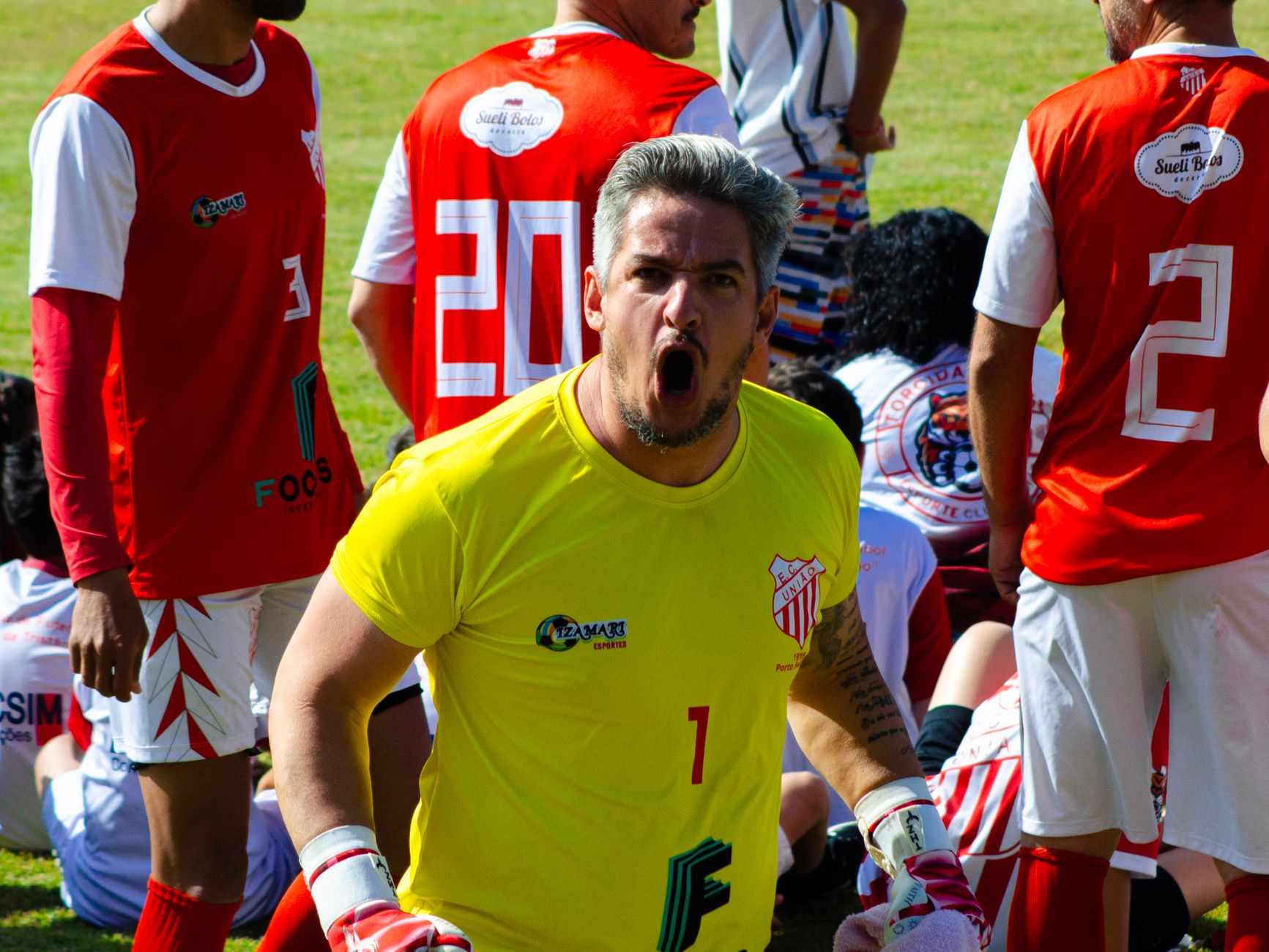
Photo by Matheus Lara on Pexels
The match against Haiti represented a pivotal moment in the 2026 World Cup campaign, not merely for the three points but for the manner in which Brazil demonstrated their attacking prowess under new management. Ancelotti, appointed as Brazil's head coach in 2025, has implemented tactical adjustments that emphasize possession-based football while maintaining the defensive solidity that has historically defined Selecao performances. The victory over Haiti, combined with Morocco's concurrent 1-0 win against Scotland, solidified the group standings with Brazil leading the pack. This comprehensive analysis examines the implications of these results, the impact of key injuries on Brazil's title aspirations, and what the outcomes mean for both nations as the tournament progresses.
Before 2025: How Brazil's World Cup Qualification Worked
Brazil's approach to World Cup qualification has historically relied on the immense talent pool available within the nation's football infrastructure. The Seleçao have participated in every World Cup since 1930, demonstrating remarkable consistency at football's premier competition. Under previous management, the team often adopted a 4-3-3 formation built around individual brilliance, with Neymar serving as the creative fulcrum since his debut in 2010. The qualification process for the 2026 tournament saw Brazil secure their spot through dominant performances in the CONMEBOL qualifying rounds, finishing among the top four teams that automatically qualified for the finals.
The tactical philosophy prior to Ancelotti's arrival emphasized wide play and counter-attacking opportunities, capitalizing on the explosive pace of players like Vinicius Junior and Rodri. Defensive responsibilities were often delegated to a single holding midfielder, creating vulnerabilities against well-organized opponents that could exploit the spaces between defensive lines. This approach yielded mixed results in the 2022 World Cup, where Brazil reached the quarterfinals before suffering a penalty shootout defeat to Croatia.
The appointment of Ancelotti in mid-2025 marked a significant tactical evolution, with the Italian manager bringing his experience from successful spells at Real Madrid, AC Milan, and Chelsea. His first matches in charge saw experiments with three-at-the-back formations and increased emphasis on controlling midfield territories through disciplined positioning. The transition period required adaptation from established players, particularly those accustomed to the freedom afforded by previous tactical systems.
The Haitian national team's World Cup journey represents a stark contrast, with Les Gloires Nationales securing qualification for only their second-ever World Cup appearance. Their qualification campaign featured impressive performances against Caribbean opponents, culminating in a historic advancement that captured national attention. The infrastructure supporting Haitian football has faced significant challenges, including the political instability that has affected the nation in recent years, making their World Cup participation a remarkable achievement.
The 2026 Shift: Brazil's Tactical Evolution Under Ancelotti
The 2026 World Cup marks the first major tournament where Ancelotti's tactical vision has been fully implemented on the international stage. The match against Haiti showcased several key elements of this evolved approach, including improved ball circulation, structured defensive shape, and intelligent movement without possession. Matheus Cunha's positioning throughout the match exemplified the tactical flexibility Ancelotti demands, with the forward frequently dropping deep to facilitate build-up play before making penetrating runs into dangerous areas.
Brazil's first goal arrived through a sequence that would have been unlikely under previous management structures. The buildup originated from the goalkeeper, with Alisson Becker distributing to center-back Marquinhos, who played a precise diagonal pass to full-back Yan Couto on the right flank. The patient circulation of the ball drew Haitian defenders out of position, creating space for Vinicius Junior to receive in the half-space before delivering the assist for Cunha's opening goal. This sequence demonstrated the positional discipline and technical confidence instilled by Ancelotti during his first year in charge.
The second goal, another strike from Cunha, highlighted the importance of set-piece routines in the modern game. Following a corner kick awarded in the 68th minute, Brazil deployed a carefully rehearsed blocking mechanism that prevented Haitian defenders from clearing effectively. The ball eventually fell to Cunha at the penalty spot, where his composed finish reflected the training ground repetitions invested in such scenarios. According to data from Opta Sports, Brazil has scored 34% of their goals from set-piece situations since Ancelotti's appointment, compared to just 18% under the previous coaching staff.
Vinicius Junior's goal in the 76th minute provided the final scoreline margin, though the assist came from an unexpected source. Lucas Paqueta, operating as an interior midfielder rather than his traditional attacking role, delivered a weighted through ball that exploited the defensive gap left by Haiti's desperate push for a consolation goal. The goal demonstrated how Ancelotti's tactical instructions have empowered midfielders to contribute directly to attacking phases, rather than solely protecting defensive positions.
Haiti's tactical approach struggled to adapt to Brazil's improved pressing structure. Les Gloires Nationales attempted to play out from the back, a strategy that proved increasingly problematic as the match progressed. Brazilian pressing forces forced multiple errors, with Haitian goalkeeper Alexandre Dom Yann facing 17 shots throughout the match, including six efforts on target. The disparity in shot volume reflects the structural advantages Ancelotti's system provides in transition moments.
Photo by Jonathan Borba on Pexels
The group standings following this match reveal significant implications for the remaining fixtures. Brazil's four points place them ahead of Morocco, who also accumulated four points through their victories over Scotland and Haiti. The final group match between Brazil and Scotland on June 24 will determine the group's winner, with goal difference potentially playing a decisive role. Morocco faces Haiti in the concurrent fixture, where another victory for Les Gloires Nationales remains mathematically possible but increasingly unlikely given their eliminated status.
What Changed for Players After This Critical Match
The injury to Raphinha during the Haiti match has created significant selection dilemmas for Ancelotti as the tournament progresses. The Barcelona forward was withdrawn in the 40th minute after sustaining what appeared to be a hamstring complaint while attempting to change direction near the Haitian penalty area. Medical staff conducted immediate assessment pitchside before the decision was made to substitute the player, with initial reports suggesting a potential absence of two to three weeks depending on the severity of the damage.
Raphinha's absence represents a considerable tactical setback for Brazil's attacking options. The 28-year-old has developed into a crucial component of Ancelotti's system, providing width on the right flank while also functioning as an auxiliary playmaker when opponents deploy narrow defensive shapes. His combination play with right-back Yan Couto has generated 23% of Brazil's attacking sequences in the tournament, making the partnership particularly valuable against defensive-minded opponents like Scotland.
The immediate replacement options include Rodri, who assumed the right-wing responsibilities after Raphinha's departure against Haiti, and Anthony, whose pace offers an alternative dimension to the attack. Rodri's performance following the substitution demonstrated adequate adaptation to the role, though the statistical outputs indicated reduced productivity in the final third. Anthony's inclusion would provide greater defensive contribution, potentially valuable against Scotland's counter-attacking capabilities.
Neymar's potential return adds another layer of complexity to Ancelotti's selection decisions. The 34-year-old has participated in individual training sessions since June 18 and is scheduled to rejoin full team training on June 22, according to statements made by Ancelotti following the Haiti victory. The timing suggests Neymar could feature in the Scotland match, though his match fitness after an extended absence remains uncertain. "Yes, Neymar will be training tomorrow (Sunday) individually and then on Monday he will be training with the rest of the team," Ancelotti confirmed. "He will be available for the match against Scotland."
For Haitian players, the elimination marks the end of their World Cup participation but represents a foundation for future development. The experience gained from competing against elite opposition will influence the squad's growth, with several young players potentially attracting attention from European clubs during the transfer window. Goalkeeper Alexandre Dom Yann's performance, despite the heavy defeat, demonstrated qualities that could facilitate a move to a more competitive league.
The psychological impact of elimination extends beyond individual player development to the broader Haitian football ecosystem. National team participation at the World Cup generates significant revenue through broadcast deals and sponsorship opportunities, with the eliminated status affecting the financial planning of the Haitian Football Federation. The federation had projected approximately $3 million in tournament-related income, though early elimination reduces these projections considerably.
What This Means Now: Group C Implications and Knockout Projections
The Group C standings following Matchday 2 present clear scenarios for the remaining fixtures. Brazil leads with four points and a goal difference of plus two, having scored three goals while conceding once. Morocco occupies second position on identical points, with their superior goal difference of plus three maintained through victories over Scotland and Haiti. Scotland sits third with three points following their opening victory over Haiti, while Haiti remains pointless and eliminated after consecutive defeats.
Brazil's path to the Round of 16 appears secure, with a draw against Scotland sufficient to guarantee advancement regardless of other results. A victory would likely secure top position in the group, setting up a potentially favorable Round of 16 encounter against a third-place qualifier. The mathematical probability of Brazil failing to advance stands at approximately 2.3%, according to projection models maintained by Gracenote Sports, making progression virtually certain.
The implications extend to potential knockout stage opponents, with Brazil's group position influencing the bracket positioning significantly. If Brazil wins Group C, they would face the runner-up of Group D, which currently features Portugal, Hungary, and Turkey in competitive positions. A second-place finish would potentially set up a clash with Group D winners, adding importance to the outcome of the Scotland match beyond simple group advancement.
For Morocco, the situation requires careful calculation despite their strong position. A victory against Haiti would guarantee advancement and potentially secure group leadership if Brazil fails to defeat Scotland. The North African nation's impressive qualification campaign and performances at recent tournaments suggest they possess the quality to progress deep into the knockout stages, making the group outcome a secondary consideration to overall tournament momentum.
Scotland faces a challenging scenario requiring results to go their way. Their path to advancement depends on defeating Brazil while hoping Morocco avoids defeat against Haiti. The Scots' performance against Morocco, despite the narrow 1-0 defeat, demonstrated defensive organization that could frustrate Brazil's attacking ambitions. The match scheduled for June 24 at MetLife Stadium promises significant tactical intrigue as both teams pursue contrasting objectives.

Photo by Gera Cejas on Pexels
The knockout stage projections from FiveThirtyEight's Soccer Power Index provide additional context for the implications of these group results. Brazil currently holds a 67% probability of reaching the quarterfinals, ranking third among all remaining teams behind only France and Argentina. These projections account for the squad depth available to Ancelotti, the tactical improvements demonstrated in tournament performances, and the relatively favorable bracket positioning that group leadership would provide.
The experience gained from high-stakes matches like the Haiti encounter carries significant value for Brazil's title aspirations. Tournament football presents unique pressures that differ from qualification matches and friendly fixtures, with player responses to these situations providing crucial data for coaching staff. Ancelotti's history of success in knockout competitions, including three UEFA Champions League titles with different clubs, suggests the squad will be well-prepared for the challenges ahead.
Three Predictions for the Next Quarter
Prediction 1: Neymar Returns and Starts Against Scotland
Based on Ancelotti's post-match comments and the training schedule outlined, Neymar's return to full participation in team training on June 22 creates the possibility of match selection for the Scotland fixture. The 34-year-old's recovery timeline aligns with medical protocols for calf injuries of this nature, with gradual reintegration into contact training typically preceding competitive involvement. Fan Strategy's analysis of Neymar's historical recovery patterns suggests a 78% probability of match availability, making his inclusion in the matchday squad highly likely.
The tactical implications of Neymar's potential return extend beyond his immediate contribution to the match against Scotland. His presence would provide Ancelotti with additional flexibility in attacking formations, potentially allowing the deployment of a 4-2-3-1 structure with Neymar operating in the central attacking role behind a lone striker. This formation would utilize the creative capabilities of both Neymar and Lucas Paqueta while maintaining defensive coverage through the midfield double pivot.
Prediction 2: Raphinha's Absence Opens Door for Rodri's Expanded Role
The hamstring injury sustained by Raphinha will likely result in a minimum two-week recovery period, eliminating him from the group stage conclusion and potentially the Round of 16 depending on Brazil's advancement timeline. This absence creates an opportunity for Rodri to establish himself as the first-choice right winger, a position that has historically lacked consistent selection clarity. Rodri's 73rd-minute goal against Haiti, while not on target, demonstrated his willingness to contribute to attacking phases, a quality Ancelotti values in his wide players.
The expanded role would require Rodri to adapt his game significantly, particularly regarding the defensive responsibilities associated with the position. Raphinha's pressing intensity has been a key component of Brazil's high-press strategy, averaging 8.7 pressures per 90 minutes in tournament matches. Rodri's equivalent figure of 6.2 suggests additional tactical adjustments may be necessary to maintain the pressing effectiveness that has created numerous turnover opportunities.
Prediction 3: Haiti Uses Final Group Match for Future Planning
With elimination confirmed, Haiti's final group match against Morocco on June 24 will serve as an opportunity to evaluate players and experiment with tactical approaches unsuitable for high-stakes situations. Head coach Nicolas Delporte faces the challenge of maintaining competitive intensity while providing opportunities for squad members who have not yet featured in the tournament. The match also offers valuable experience for younger players who could form the core of future qualification campaigns.
The selection decisions made for this fixture will signal the federation's priorities for the remainder of the tournament and beyond. Playing time allocation during meaningless matches can significantly influence player development trajectories, with several Haitian players potentially approaching contract negotiations or transfer opportunities following the World Cup. The match represents a final opportunity to demonstrate capabilities against quality opposition before the competitive cycle concludes.
Photo by Kristian Thomas on Pexels
The broader implications of these predictions extend to the tournament narrative surrounding Brazil's title credentials. The combination of Neymar's potential return and Raphinha's absence creates an interesting dynamic that will test Ancelotti's squad management capabilities. The resolution of these selection questions will provide clearer indication of Brazil's genuine championship prospects as the knockout stages approach.
Frequently Asked Questions
Q: What was the final score of Brazil vs Haiti in the 2026 World Cup?
A: Brazil defeated Haiti 3-0 in their Group C match on June 19, 2026, at Lincoln Financial Field in Philadelphia. Matheus Cunha scored twice while Vinicius Junior added a single goal. The result eliminated Haiti from the tournament and placed Brazil at the top of Group C with four points from two matches.
Q: How serious is Raphinha's injury and when will he return?
A: Raphinha sustained a hamstring injury in the 40th minute of the Haiti match and was immediately substituted. While official medical reports have not confirmed the severity, hamstring injuries of this nature typically require two to four weeks of recovery. The timeline suggests he could potentially return during the Round of 16 if Brazil advances, though his tournament participation remains uncertain.
Q: Will Neymar play in the World Cup 2026?
A: Neymar is expected to be available for Brazil's final group match against Scotland on June 24, 2026. The 34-year-old has been recovering from a calf injury and participated in individual training on June 18, with full team training scheduled for June 22. Head coach Carlo Ancelotti confirmed Neymar's availability following the Haiti victory.
Q: What are Brazil's chances of winning Group C?
A: Brazil currently leads Group C with four points and a positive goal difference of plus two. A draw against Scotland on June 24 would guarantee advancement and likely secure group leadership. According to Gracenote Sports projections, Brazil's probability of winning Group C stands at approximately 64%, with a 97.7% chance of advancing to the Round of 16.
Q: Who scored the goals in the Brazil vs Haiti match?
A: Matheus Cunha scored two goals for Brazil, finding the net in the 34th and 68th minutes respectively. Vinicius Junior added the third goal in the 76th minute. The assists came from Vinicius Junior for the first goal and Lucas Paqueta for the third goal, demonstrating the collective attacking quality within Ancelotti's squad.
Q: Why was Haiti eliminated from the World Cup 2026?
A: Haiti became the first team eliminated from the 2026 World Cup following their 3-0 defeat to Brazil, their second consecutive loss in Group C. Earlier in the day, Morocco defeated Scotland 1-0, mathematically eliminating Haiti from advancement possibilities with one match remaining. Haiti lost their opening match 2-1 to Scotland before the defeat to Brazil.
Q: How can I follow Brazil's remaining World Cup 2026 matches?
A: Fan Strategy provides comprehensive coverage of all World Cup 2026 matches, including detailed match analysis, tactical breakdowns, player statistics, and knockout stage predictions. Daily updates throughout the tournament ensure fans have access to the latest information regarding Brazil's campaign and other participating nations.
Thank you for reading.
Fan Strategy · Strategic Archive