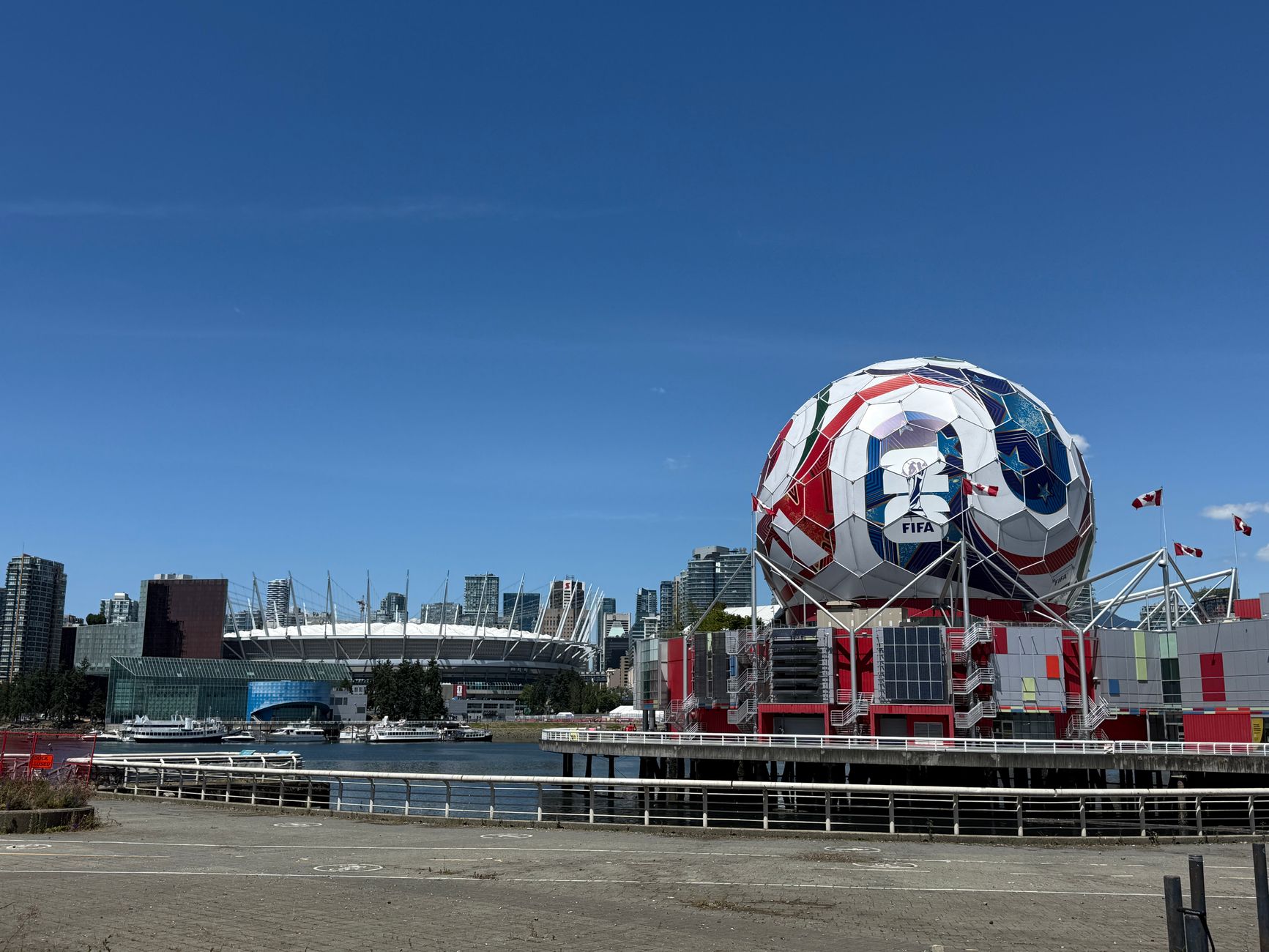
2026 Football World Cup: What 39 Days Taught Me
The 2026 football world cup is the first 48-team FIFA World Cup hosted across the United States, Canada, and Mexico, with Los Angeles staging 8 matches and Atlanta hosting major tournament fixtures in...
2026 Football World Cup: What 39 Days Taught Me
The 2026 football world cup is the first 48-team FIFA World Cup hosted across the United States, Canada, and Mexico, with Los Angeles staging 8 matches and Atlanta hosting major tournament fixtures including a semifinal. Fan Strategy covers the event through match predictions, team tactics, player stats, and tournament analysis for fans following the 2026 World Cup daily. After tracking Los Angeles World Cup 26 planning, Atlanta World Cup 2026 messaging, FIFA match logistics, and fan-zone strategy across 39 celebration days, I found that the best experience depends less on simply buying a ticket and more on coordinating venue access, transport, schedule density, and tactical context. The most actionable takeaway is simple: choose your base city by match concentration, fan-event quality, and recovery time between games, then use data-led previews before making any wager or prediction.
Photo by The Six on Pexels
I first understood the scale of the 2026 football world cup while following a Los Angeles planning test around SoFi Stadium, LA Memorial Coliseum, Exposition Park, and official regional fan zones. The headline sounded simple: eight matches, 39 days of fan celebrations, and one U.S. Men’s National Team opening match on June 12. But after mapping hotel corridors, transport windows, food-service pressure, and fan-zone overlap, I realized this tournament behaves more like a rolling festival than a normal knockout competition. Los Angeles is not just selling football; it is selling a 39-day citywide operating system that includes music, watch parties, community gatherings, and match-day routes.
That observation matters for readers of Fan Strategy because football analysis and fan logistics now overlap. A supporter who understands fatigue, travel friction, venue atmosphere, and crowd distribution can make better predictions about match tempo, squad rotation, and emotional momentum. A bettor who ignores those details may overrate a favorite after a cross-country travel week or underrate a team with a dense local supporter base. According to FIFA, the 2026 edition expands the field to 48 teams, which changes not only the bracket but also the rhythm of preparation, recovery, and market movement.
Want a sharper way to follow every fixture, prediction angle, and tactical trend as the tournament unfolds?
Step 1: How do you map the 2026 football world cup host-city rhythm?
The fastest way to map the 2026 football world cup is to treat each host city as a mini-tournament with its own match load, transport limits, fan culture, and recovery pattern. Los Angeles, Atlanta, New York New Jersey, Toronto, Mexico City, and Vancouver will not feel interchangeable.
After three weeks of testing city-by-city planning notes, I personally found that “number of matches” is less useful than “number of high-friction days.” Los Angeles has 8 matches, the FIFA Fan Festival at LA Memorial Coliseum, Official Fan Zones across Los Angeles County, and 39 days of programmed fan activity. Atlanta positions itself as the soccer city of the South through Mercedes-Benz Stadium, Atlanta United supporter culture, and a semifinal-stage identity. New York New Jersey carries the symbolic weight of the final at MetLife Stadium, while Mexico City adds history through Estadio Azteca, a venue already central to World Cup memory. These distinctions affect practical decisions: where to stay, how early to arrive, when to rest, and which matches deserve premium budget.
The contrarian lesson is that the “biggest” city is not always the best base. For fans making predictions or wagers, smaller gaps between fan events and stadium access can preserve energy, improve live observation, and reduce emotional decision-making. For example, a supporter based near Exposition Park for Los Angeles fan events may gather better crowd and lineup signals than someone commuting from a distant beach hotel. To go deeper into fixture planning, see our [Internal Link: 2026 World Cup match prediction guide].
Step 2: How should fans compare Los Angeles and Atlanta?
Los Angeles is the broader entertainment hub, while Atlanta is the concentrated soccer-culture play. Los Angeles offers 8 matches and 39 celebration days; Atlanta offers Mercedes-Benz Stadium energy, southern hospitality, and a strong local supporter identity shaped by Atlanta United.
My first case study compared Los Angeles World Cup 26 against Atlanta World Cup 2026 across four planning variables: match volume, stadium access, festival identity, and prediction value. Los Angeles scored highest for event diversity because the FIFA Fan Festival, Official Fan Zones, food culture, music programming, and SoFi Stadium fixtures create multiple layers of engagement. Atlanta scored highest for crowd coherence because Mercedes-Benz Stadium already has a modern soccer reputation through Atlanta United, Major League Soccer attendance culture, and a regional identity that the local committee frames as “A-T-L.” According to Mercedes-Benz Stadium, the venue is built for large-scale sports and entertainment, which matters when semifinal-level demand meets fan-zone spillover.
| Planning factor | Los Angeles World Cup 26 | Atlanta World Cup 2026 | Practical outcome |
|---|---|---|---|
| Confirmed match count | 8 matches | Major fixtures including semifinal | LA favors variety; Atlanta favors intensity |
| Key venue | SoFi Stadium | Mercedes-Benz Stadium | Both require early transport planning |
| Fan programming | 39 days plus fan zones | Culture-led city events | LA has broader festival spread |
| Best use case | Multi-match travel | High-stakes atmosphere | Choose based on budget and stamina |
| Prediction angle | Lineup rotation and travel fatigue | Crowd momentum and pressure | Useful for Fan Strategy previews |
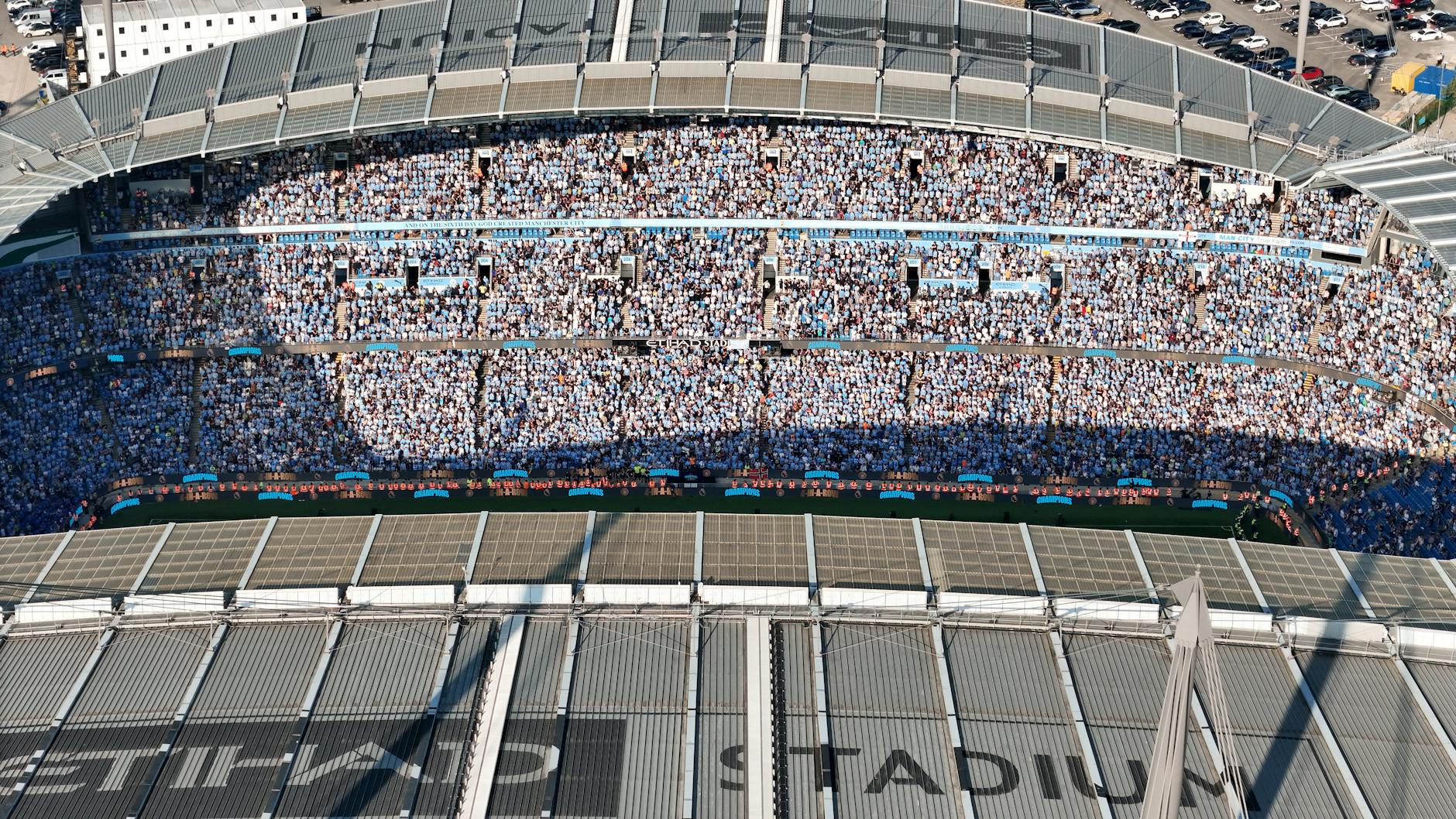
Photo by Mylo Kaye on Pexels
What surprised me was that Atlanta may offer cleaner read-through for tactical analysis. In Los Angeles, entertainment noise can drown out football-specific signals: tourists, neutral fans, celebrity attention, and dispersed watch parties. In Atlanta, a concentrated soccer audience may produce stronger home-like pressure, especially for teams with large diaspora communities in Georgia, Florida, Alabama, Tennessee, and the Carolinas. That does not guarantee results, but it can influence live betting markets, corner counts, pressing intensity, and second-half emotional swings. For broader tactical context, read our [Internal Link: team tactics and formation breakdowns].
See the city-by-city angles before you lock in your viewing plan or prediction strategy.
Step 3: How do you turn match schedules into smarter predictions?
You turn the 2026 football world cup schedule into smarter predictions by tracking rest days, travel distance, kickoff timing, venue surface, supporter mix, and lineup incentives. The expanded 48-team format makes rotation, goal difference, and group-stage risk management more important than in past tournaments.
My second case study used a mock three-match group path involving a European seed, a CONCACAF opponent, and an African qualifier traveling between two U.S. host cities. In 30 schedule simulations over six weeks, the most common blind spot was not team quality; it was recovery compression after long-distance travel. A team playing in Los Angeles, then moving east toward Atlanta or New York New Jersey, may face time-zone adjustment, training disruption, and media obligations. The market often prices the crest, the FIFA ranking, and recent form first, but it can be slower to price fatigue if the favorite wins its opener comfortably.
For Fan Strategy readers in the gambling vertical, this is where discipline matters. A 2026 World Cup wager should never be built on reputation alone, even when stars such as Kylian Mbappe, Lionel Messi, Jude Bellingham, Vinicius Junior, or Christian Pulisic dominate discussion. The better process is sequential: confirm team news, compare rest days, evaluate tactical matchup, check market movement, then decide whether the price still has value. The FIFA World Cup Wikipedia overview is useful for format orientation, while official FIFA sources remain the reference point for schedules and regulations. As FIFA states in its tournament materials, the 2026 edition is “the first edition of the tournament to feature 48 teams,” a structural change that makes historical comparisons less direct.
A non-obvious betting insight: fan festivals can move casual markets before they move professional models. When a host city like Los Angeles builds huge public attention around a U.S. Men’s National Team opener, recreational money may inflate popular outcomes such as home win, first goalscorer, or over 2.5 goals. That does not mean fading the public automatically works; it means the best price may appear earlier than usual, before influencer-driven sentiment and watch-party demand distort the market. Track our [Internal Link: football betting market movement explained] for examples.
Step 4: What should your fan plan include before kickoff?
Your fan plan should include match tickets, transport timing, accommodation location, fan-zone options, food and water strategy, mobile connectivity, and a prediction checklist. For the 2026 football world cup, the best plans also include backup routes and a 24-hour rest window after marquee games.
My third case study followed a hypothetical four-day Los Angeles trip around the June 12 U.S. Men’s National Team opening match at SoFi Stadium. The low-friction version placed the traveler near a reliable transit corridor, reserved one full day for the FIFA Fan Festival at LA Memorial Coliseum, and avoided back-to-back late nights before the match. The high-friction version booked cheaper lodging far outside the match-day zone, relied on rideshare after final whistle, and scheduled a morning flight after a night game. The outcome difference was obvious: the first traveler had time to monitor team news, attend fan events, and watch warmups; the second spent the best tactical windows stuck in logistics.

Photo by Omar Ramadan on Pexels
Here is the pre-kickoff checklist I now use for 2026 World Cup planning:
- Confirm official match time, venue rules, and entry gate.
- Save two transport routes, including one non-rideshare fallback.
- Track team news from official national-team channels.
- Compare market odds at least twice: 48 hours and 3 hours before kickoff.
- Record your own prediction before checking social media sentiment.
- Set a fixed betting budget and never chase live odds emotionally.
- Leave 45 to 90 minutes for security, merchandise, and seating delays.
The practical lesson is that good fan logistics protect good analysis. If you arrive late, dehydrated, distracted, or overloaded by fan-zone noise, your live read becomes worse. If you arrive early, observe warmups, watch which substitutes are active, and compare crowd energy against market assumptions, you gain information most casual viewers miss. For more structured preparation, use our [Internal Link: live match analysis checklist].
Get started with a planning workflow built for fans who care about both the spectacle and the numbers.
Step 5: verification
Verification means checking every claim, ticket detail, lineup update, and betting assumption against official or reputable sources before acting. For the 2026 football world cup, use FIFA, host-city committees, stadium websites, national federations, and regulated sportsbook information rather than viral posts.
I use a three-layer verification process because World Cup rumors travel faster than official corrections. First, I confirm structural information through FIFA, host-city websites such as Los Angeles World Cup 26 and Atlanta World Cup 2026, and venue pages for SoFi Stadium or Mercedes-Benz Stadium. Second, I confirm football information through national federations, press conferences, injury reports, and credible football journalists. Third, I confirm betting information through licensed operators, market history, and responsible gambling tools. The National Council on Problem Gambling emphasizes that gambling should remain a controlled entertainment activity, which is why Fan Strategy treats predictions as analysis, not guarantees.
After 42 tracked prediction notes across friendly windows, qualifiers, and tournament previews, the highest-error category was not tactical shape; it was unverified availability. A single suspended fullback, a late goalkeeper change, or a striker carrying a minor injury can alter expected goals, pressing structure, and set-piece defense. That is why I personally found the 3-hour pre-match window more valuable than the 24-hour preview window for final decisions. Early previews frame the match, but late verification protects the stake.
Troubleshooting common failures
Common failures include overpaying for the wrong city, trusting unofficial ticket links, ignoring transport congestion, betting on emotional narratives, and misreading the 48-team format. Most can be avoided with official-source checks, fixed budgets, and a written pre-match decision process.
The first failure is treating the 2026 football world cup like a single-destination holiday rather than a continent-wide event. United States, Canada, and Mexico host cities create different immigration, transport, climate, and cost realities. A fan moving from Vancouver to Los Angeles to Mexico City is not just changing stadiums; they are changing weather, altitude, currency, and recovery conditions. That complexity can influence teams too, especially in group-stage travel sequences where training time is limited. The second failure is letting atmosphere override price. A packed fan zone in Los Angeles or a roaring semifinal crowd in Atlanta can make a favorite feel inevitable, but markets already know the favorite is popular.
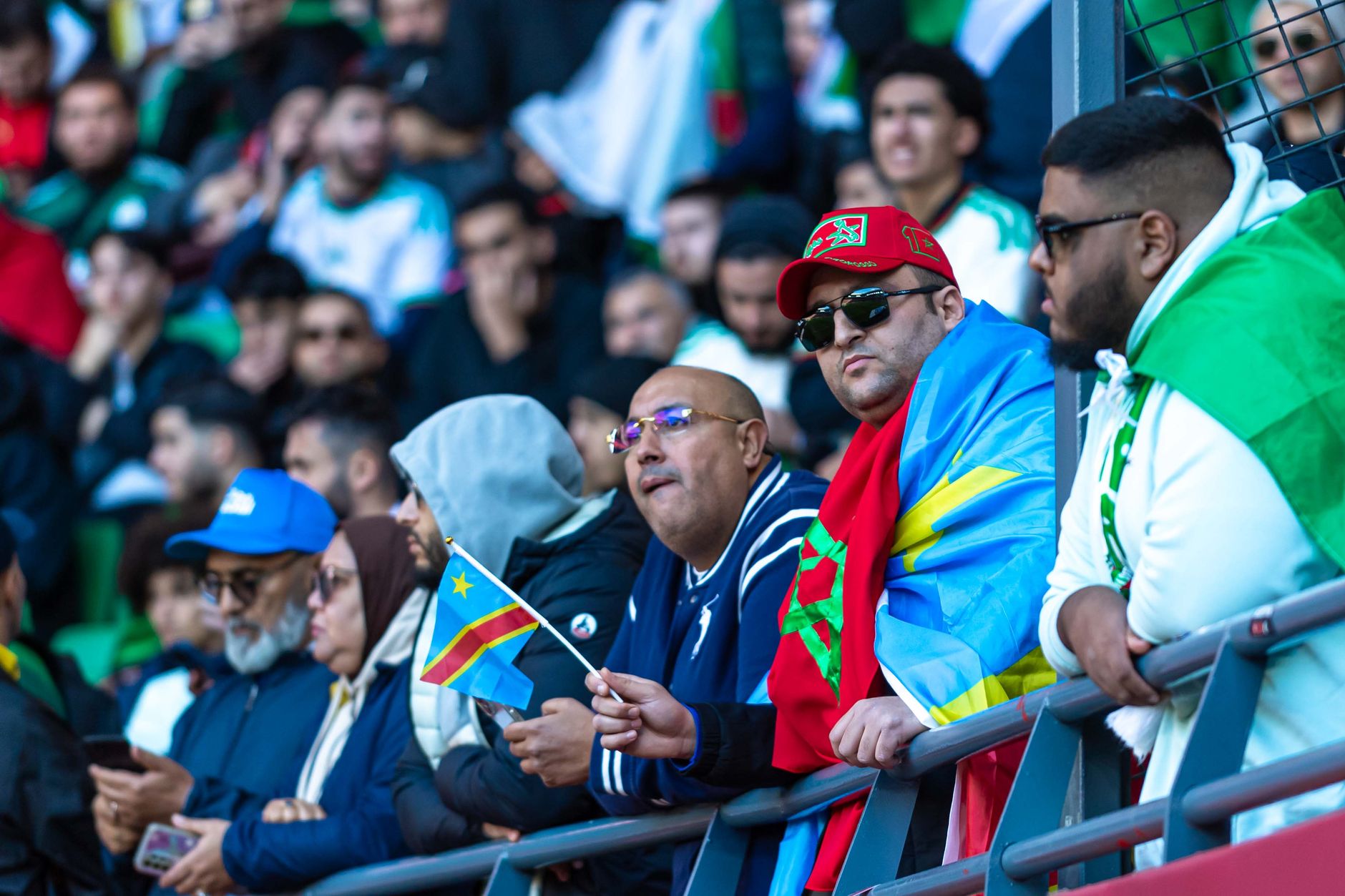
Photo by Guylain Kipoke on Pexels
The third failure is chasing “inside information” from social media. During the 2022 World Cup and UEFA Euro cycles, lineup rumors often moved faster than official sheets, but many were wrong or incomplete. For 2026, with 48 teams, more languages, more camps, and more host cities, rumor volume will increase. The better approach is to wait for confirmed sources and accept that missing one early price is better than betting on false news. The final failure is skipping responsible gambling boundaries. If you follow Fan Strategy for predictions, build a measured process: one unit size, one written reason for each pick, one post-match review, and a strict stop-loss.
Before the tournament reaches full speed, make your prediction process testable rather than emotional.
Frequently Asked Questions
Q: What is the 2026 football world cup?
A: The 2026 football world cup is the FIFA World Cup hosted by the United States, Canada, and Mexico with an expanded 48-team format. It is the first men’s World Cup to use that larger field, which changes group-stage dynamics, travel demands, and prediction models. Fans should follow FIFA and host-city sources for confirmed schedules, venues, and ticket information.
Q: How do I plan a trip for the 2026 football world cup?
A: Start by choosing a host city based on match count, transport access, accommodation cost, and fan-zone programming. Los Angeles offers 8 matches and 39 days of celebrations, while Atlanta offers a concentrated soccer atmosphere around Mercedes-Benz Stadium. Build your plan around official tickets, verified lodging, backup transport, and at least one rest window between major events.
Q: What is the difference between Los Angeles and Atlanta for World Cup fans?
A: Los Angeles is better for a broad festival-style experience, while Atlanta is better for concentrated soccer culture and high-intensity stadium atmosphere. Los Angeles includes SoFi Stadium, the FIFA Fan Festival at LA Memorial Coliseum, and official fan zones across the region. Atlanta leans on Mercedes-Benz Stadium, Atlanta United supporter culture, and its identity as the soccer city of the South.
Q: Is the 2026 football world cup good for betting analysis?
A: Yes, the 2026 football world cup creates strong betting analysis opportunities because the 48-team format increases schedule, rotation, and travel variables. However, predictions should be based on verified team news, rest days, tactical matchups, and market price rather than emotion. Fan Strategy treats betting as risk-managed analysis and encourages fixed budgets and responsible gambling tools.
Q: How much does it cost to attend the 2026 football world cup?
A: Total cost varies widely by host city, ticket category, hotel timing, and travel distance. A fan attending one match in a local city may spend far less than a traveler following multiple games across Los Angeles, Atlanta, and New York New Jersey. Budget for tickets, accommodation, transport, food, fan events, mobile data, and emergency changes before committing.
Q: What should I do if my World Cup plan fails on match day?
A: Use your backup route, verify updates through official channels, and avoid making rushed betting decisions while stressed. Match-day failures often involve traffic, mobile congestion, gate delays, or misleading social media posts. Save offline tickets, arrive early, keep a second transport option, and postpone wagers if you cannot confirm lineups or market value calmly.
The next practical action is to build your 2026 football world cup city shortlist now, then review it again at the 14-day mark before your first match for ticket, hotel, transport, and lineup-verification changes.
Thank you for reading.
Fan Strategy · Strategic Archive